Fern Leaf Silhouettes: An Embroidery Designer's Honest Review
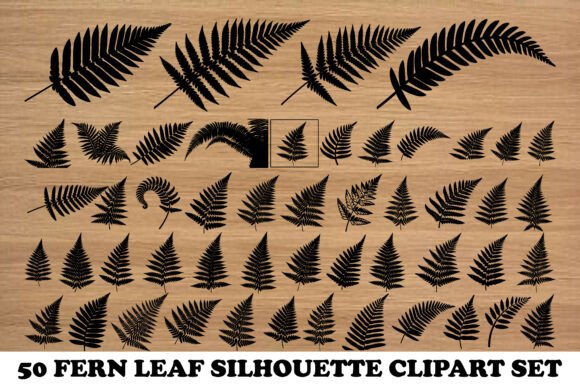
When a client asks for a nature-themed custom sweatshirt or a boutique wants a cohesive series of embroidered tote bags, the search for the right design begins. My first stop is often a clipart set—not for the final product, but for the foundational shape, the clean silhouette I can adapt and build upon. The 50 Fern Leaf Silhouette Clipart Set arrived on my screen with exactly that promise: a library of natural forms, stripped down to their essential lines.
The Immediate Mood: Calm, Versatile, and Unfussy
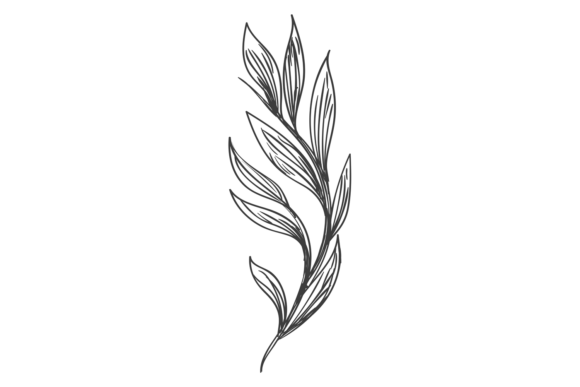
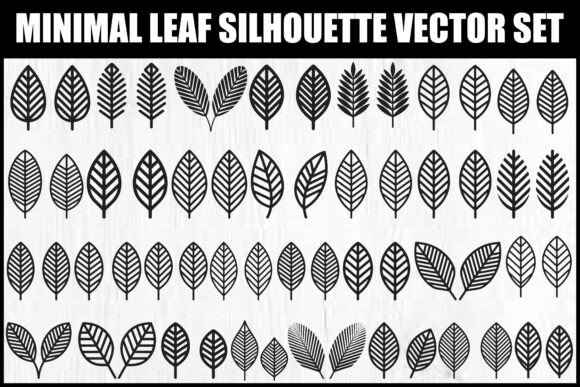
Opening this set, the impression is immediately clear. This isn't about botanical accuracy or intricate detail; it's about mood. The collection of fern and tropical leaf shapes creates a sense of calm, organic simplicity. The clean black vector style means each silhouette is a confident, unfussy outline. This is a significant advantage for embroidery, where overly detailed graphics can become muddy or lose clarity when translated into stitches. The visual personality here is quiet and versatile—it feels like a design that would belong on a relaxed linen apron, a minimalist baby blanket, or the corner of a high-end pillow cover.
Where These Ferns Flourish in Stitched Form
In practical terms, I envision these silhouettes performing beautifully across a wide range of real projects. Their strength lies in their adaptability.
For custom apparel like t-shirts and sweatshirts, a single, well-placed fern leaf in a subtle satin stitch or a clean fill stitch can elevate a basic garment into a boutique item. On tote bags and tea towels, a scattering of different silhouettes from the set can create a repeating, cohesive pattern without looking chaotic. For baby clothes and nursery decor, the soft, natural shapes are inherently gentle and appealing, avoiding harsh graphic elements.
Thinking as a small business owner, these graphics are excellent assets for building a branded line. You could use a specific fern silhouette as a recurring logo on all your handmade shop merchandise—caps, aprons, patches—creating instant brand recognition. For Etsy sellers and digital product sellers, these silhouettes are perfect for creating printable mockups or previews for your listings, offering a clean, professional look that builds customer trust.
The Considerations: Where to Use a Measured Approach
While the simplicity is a benefit, it also dictates where careful planning is needed. Not every silhouette in a 50-piece set will be ideal for every embroidery scenario.
On very small hoop sizes, some of the more elaborate tropical leaf shapes with long, thin fronds might need simplification; the tiny details could become lost or cause thread bunching. Embroidering on textured or stretchy fabrics like certain knits requires extra attention to stabilizer choice to keep these clean lines from distorting. When stitching onto dark fabric backgrounds, you're not just relying on the black silhouette—you need to think about thread color contrast. A deep green or even white thread on navy fabric can make the fern pop, whereas black thread might recede.
Perhaps the biggest consideration is on products with curved surfaces like caps. The elegant, often vertical nature of fern shapes needs thoughtful placement to follow the curve of the cap seam gracefully, avoiding awkward breaks in the design's flow. Always, always test the design on scrap fabric first. Hoop a piece of the final material you intend to use, stitch out one of the more complex silhouettes, and inspect the small details and stitch density. This step tells you everything.
Turning Graphics into Embroidered Value
From a commercial and creative perspective, this set affects the final product's appeal in concrete ways. The clarity of the silhouettes translates directly into stitching clarity on the finished item. A clean, well-defined embroidered leaf looks professional; it signals quality to a customer and enhances the perceived value of a handmade product or personalized gift.
For creative entrepreneurs, using such a cohesive set across multiple products—say, a matching kitchen towel, apron, and pillow cover for a wedding gift bundle—creates powerful brand consistency. It makes your offerings feel curated and intentional. The natural theme itself boosts giftability and buyer engagement; it's a universally pleasant, non-seasonal motif that resonates with a wide audience.
A Practical Designer's Workflow Notes
My process with a set like this always follows a few key steps. First, I don't dive straight into the embroidery machine. I open the graphics in my software and start experimenting. I might isolate a few favorite fern shapes and create simple black and white mockups on different garment templates to see scale and placement.
I compare how a silhouette looks on a light background versus a dark one, planning my thread colors accordingly. I think about the end use: is this for a decorative pillow cover that won't see much wear, or for an apron that needs frequent washing? For the latter, I might opt for a simpler silhouette with less dense stitch areas to ensure durability.
Crucially, before any commercial use, I confirm the licensing terms of the 50 Fern Leaf Silhouette Clipart Set. The product description mentions it's for enhancing nature-inspired designs, but the specifics for selling finished embroidered items or using the graphics in digital products must be clear. Never assume; always check. This protects your craft business and your client relationships.
Finally, remember that these are graphics, not direct embroidery files. You or your digitizer will need to translate these silhouettes into a stitch format, deciding on stitch types—whether a solid fill stitch for a bold look or a lighter running stitch outline for a delicate touch. This translation is where your design judgment truly comes into play, using these excellent shapes as your perfect foundation.
In essence, this set is a toolbox of natural forms. It provides the elegant bones of a design, leaving you the creative space to decide on the embroidery's flesh and spirit—the thread colors, the stitches, the placement, and the final product that will carry your unique craft into someone's home or wardrobe.